GitHub Copilot Token Billing: What Changed June 1
GitHub Copilot switched to token-based billing on June 1. I break down what each plan gets, which models drain credits fastest, and how to keep costs low.
Follow practical agentic AI coverage across deployments, frameworks, MCP, governance, and real-world risks.
Agentic AI is no longer one article or one framework—it's a shipping reality with operational constraints. This hub groups the clearest explainers on what agentic AI actually does, production deployment case studies from DevOps to customer support, framework comparisons (CrewAI vs LangGraph), MCP integration patterns, and the governance pieces teams need to operationalize agents safely. Creates a single authority page for the topic and connects agentic AI coverage to governance, security, and regulatory implications that matter.
Agentic AI has transitioned from research concept to shipping reality. In 2026, autonomous agents are deployed across DevOps, customer support, research automation, and data analysis. This hub covers what agentic AI actually is, production deployment patterns, framework comparisons (CrewAI vs LangGraph vs OpenAI SDK), governance requirements, and the operational constraints teams must understand before moving agents to critical infrastructure.
Agentic AI systems differ fundamentally from generative AI chatbots. While a chatbot responds to prompts, an agent:
A ChatGPT conversation is stateless—each message is independent of the previous one. An agentic AI system maintains context across dozens of tool invocations, learning from failures and successes. For example, a DevOps agent might attempt a deployment, detect a DNS failure, automatically adjust network configuration, and retry—all without human intervention.
Key distinctions:
The difference maps to control: chatbots hand off decisions to humans; agents decide and act.
By June 2026, agentic AI has proven production value in multiple domains:
DevOps & CI/CD Automation Companies deploy agents to manage deployment pipelines, respond to infrastructure failures, and optimize resource allocation. An agent receives a GitHub issue (e.g., "Deploy feature X"), analyzes logs, identifies root cause of any failures, proposes fixes, runs tests, and deploys if validation passes. Examples include autonomous CI/CD pipelines at scale (thousands of daily deployments) with human oversight limited to exception handling.
Customer Support Triage AI agents field support tickets, retrieve relevant knowledge base articles, propose solutions, and escalate to human agents when confidence falls below threshold. Agents handle 60-80% of routine requests independently, reducing human agent context switching and improving response time.
Research & Data Analysis Agents execute complex data workflows: fetch datasets, run exploratory analysis, generate visualizations, and produce research reports. Finance teams use agents to monitor market data, flag anomalies, and prepare risk summaries. Research teams use agents to literature review and synthesize findings.
Code Maintenance & Refactoring Codex and Claude Code are deployed to automatically scan commits, suggest refactorings, and flag potential bugs. These agents review pull requests, run linters, and propose improvements.
Autonomous Testing Agents execute test suites, analyze failures, and generate fixes for flaky tests. This reduces human engineer time spent debugging test failures.
Manufacturing & Robotics In limited deployment, agents coordinate robotic systems, adjust parameters based on sensor feedback, and optimize production schedules. Tufts research in April 2026 demonstrated significant energy savings on structured robotic tasks using neuro-symbolic AI approaches.
Three primary frameworks dominate agentic AI development in 2026:
CrewAI (Open Source)
LangGraph (Open Source, Anthropic-backed)
OpenAI Agents SDK (Proprietary, but APIs are open)
Comparison Table
| Factor | CrewAI | LangGraph | OpenAI SDK |
|---|---|---|---|
| Learning Curve | Low | Medium | Low |
| Production Readiness | Medium | High | High |
| State Management | Implicit (hidden) | Explicit (visible) | Model-Managed |
| MCP Support | Partial | Native | Via SDK |
| Open Source | Yes | Yes | APIs open, core closed |
| Governance/Auditability | Medium | High | Medium |
| Inference Cost | Low | Low | Medium-High |
Model Context Protocol has emerged as the standard interface for agents to access external tools. Rather than each framework implementing custom tool-calling logic, MCP provides a unified protocol that all agents and frameworks recognize:
As of June 2026, hundreds of MCP servers are available for:
The MCP ecosystem is the connective tissue that transforms agents from isolated tools into operational systems with real-world impact and scale.
As agentic AI moves into production, governance becomes critical. The EU AI Act (enforced August 2, 2026) explicitly covers agentic systems with full compliance requirements.
Microsoft Agent Governance Toolkit (released April 2026) addresses all 10 OWASP Agentic AI Top 10 risks with sub-millisecond policy enforcement:
For production agents, organizations must implement:
As of June 2026, adoption is accelerating:
Agentic AI is shipping but with real operational constraints teams must understand:
Q: What's the difference between autonomous agents and agentic AI? A: These terms overlap. "Agentic AI" emphasizes the architecture; "autonomous agents" emphasizes the independence level. All autonomous agents are agentic; not all agentic systems operate without human checkpoints.
Q: Can I use Claude to build an agent? A: Yes. Claude's 200K token context and agentic capabilities via API tool use make it suitable. You still need a framework (LangGraph, CrewAI) for state management and orchestration.
Q: Do agents absolutely require MCP? A: Not strictly, but MCP is becoming the standard. Custom tool-calling works but is less secure and harder to maintain.
Q: How do I handle agent failures and escalation? A: Design explicit escalation thresholds (e.g., high-confidence decisions auto-execute; low-confidence escalate to humans). Test escalation paths under load.
Canonical coverage grouped under one topic.
 AI Tools
 Claude Opus 4.8 hit 69.2% on SWE-bench Pro and a 1890 GDPval Elo. I break down the benchmarks, Fast mode, and parallel subagents—what actually matters.
 AI Tools
 Google's new Gemini Spark is a 24/7 cloud AI agent that runs on Google Cloud VMs. I break down what it does, the limits, and who should subscribe.
 AI Tools
 Anthropic's May 2026 update gives Claude agents memory that gets better between sessions. I break down dreaming, outcomes, and multiagent orchestration.
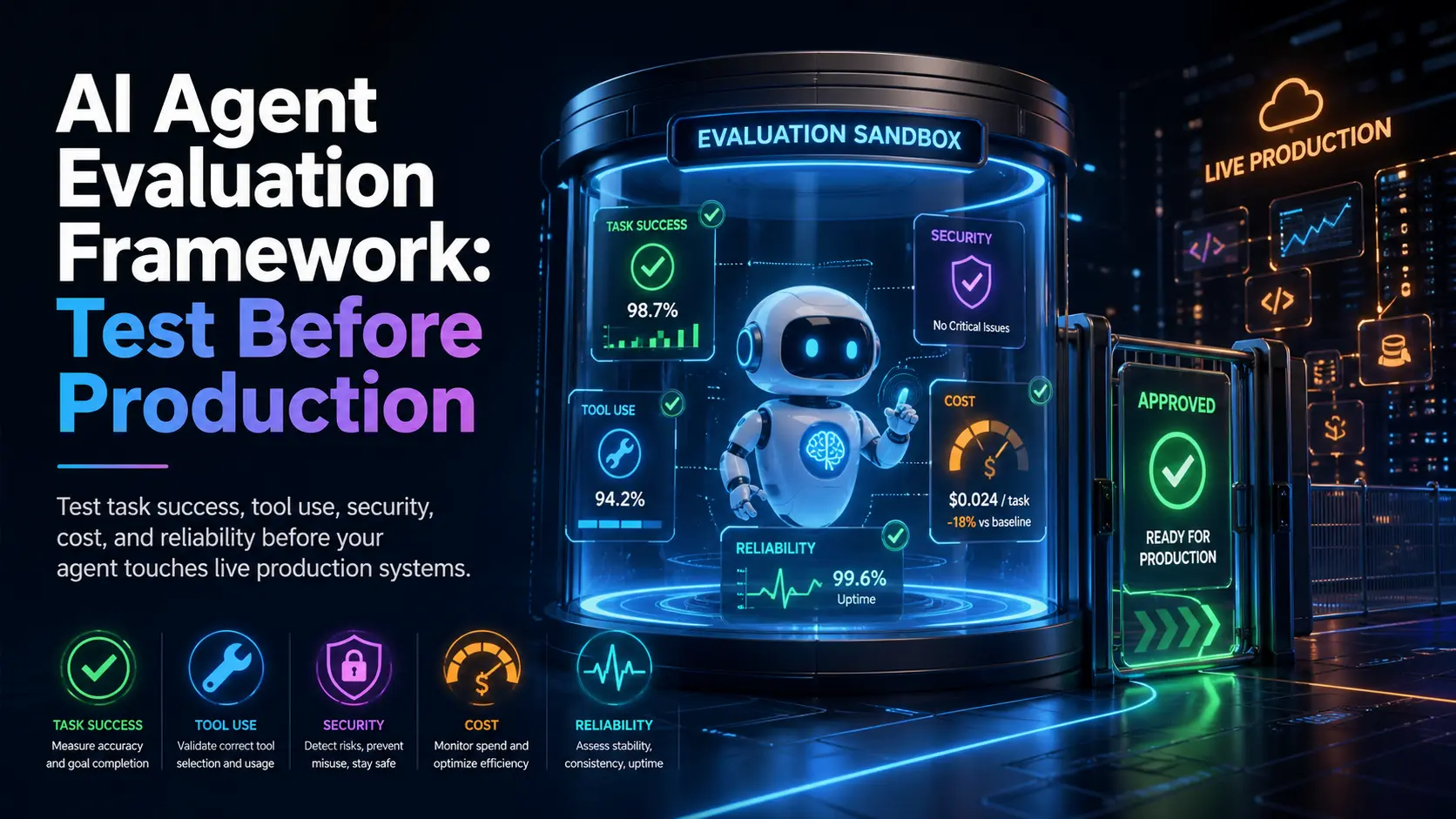 How-To
 AI agent evaluation framework for testing task success, tool use, security, cost, and reliability before your agent touches live production systems.
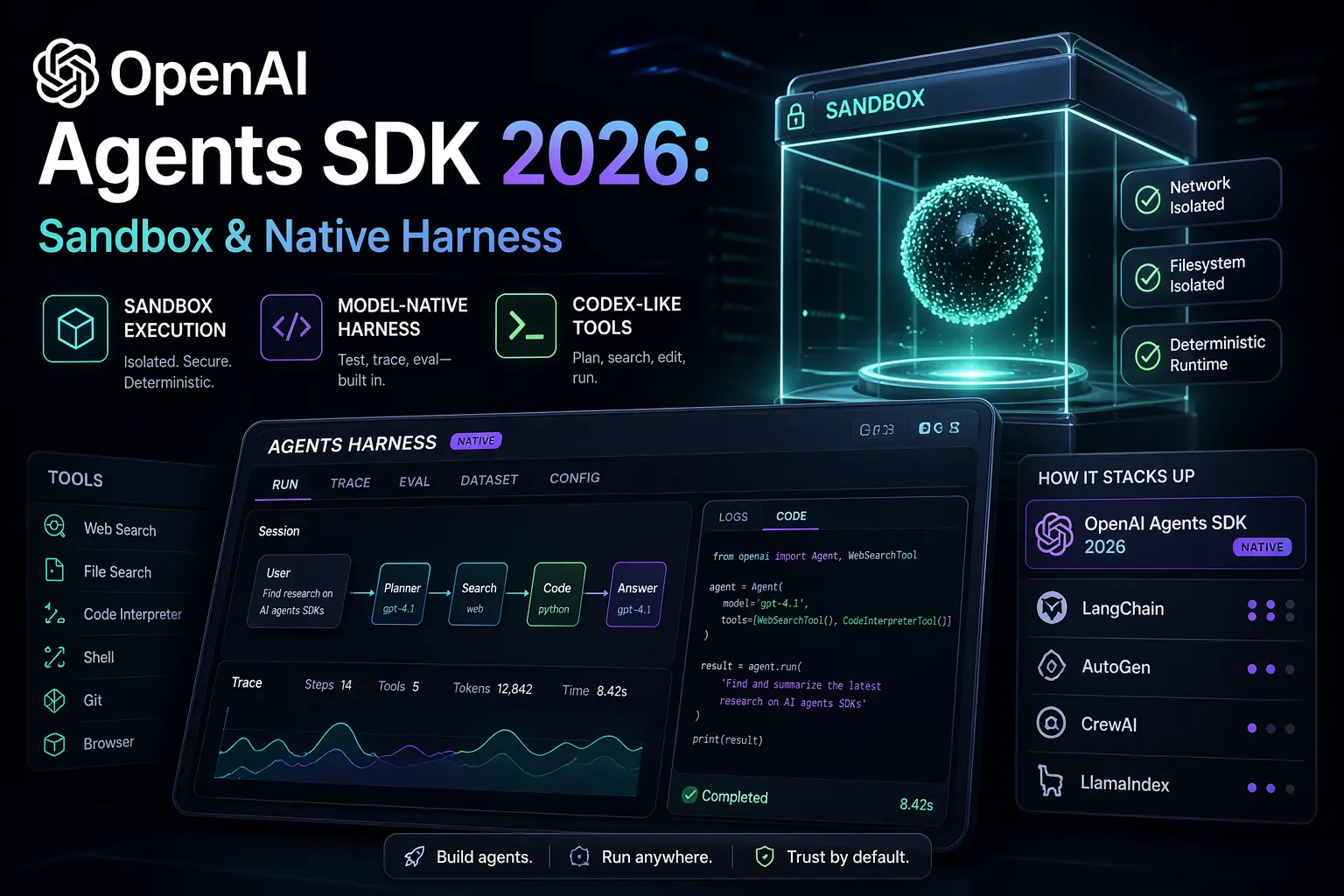 AI Tools
 OpenAI's Agents SDK update ships sandbox execution, a model-native harness, and Codex-like tools. Here's what changed and how it compares to rivals.
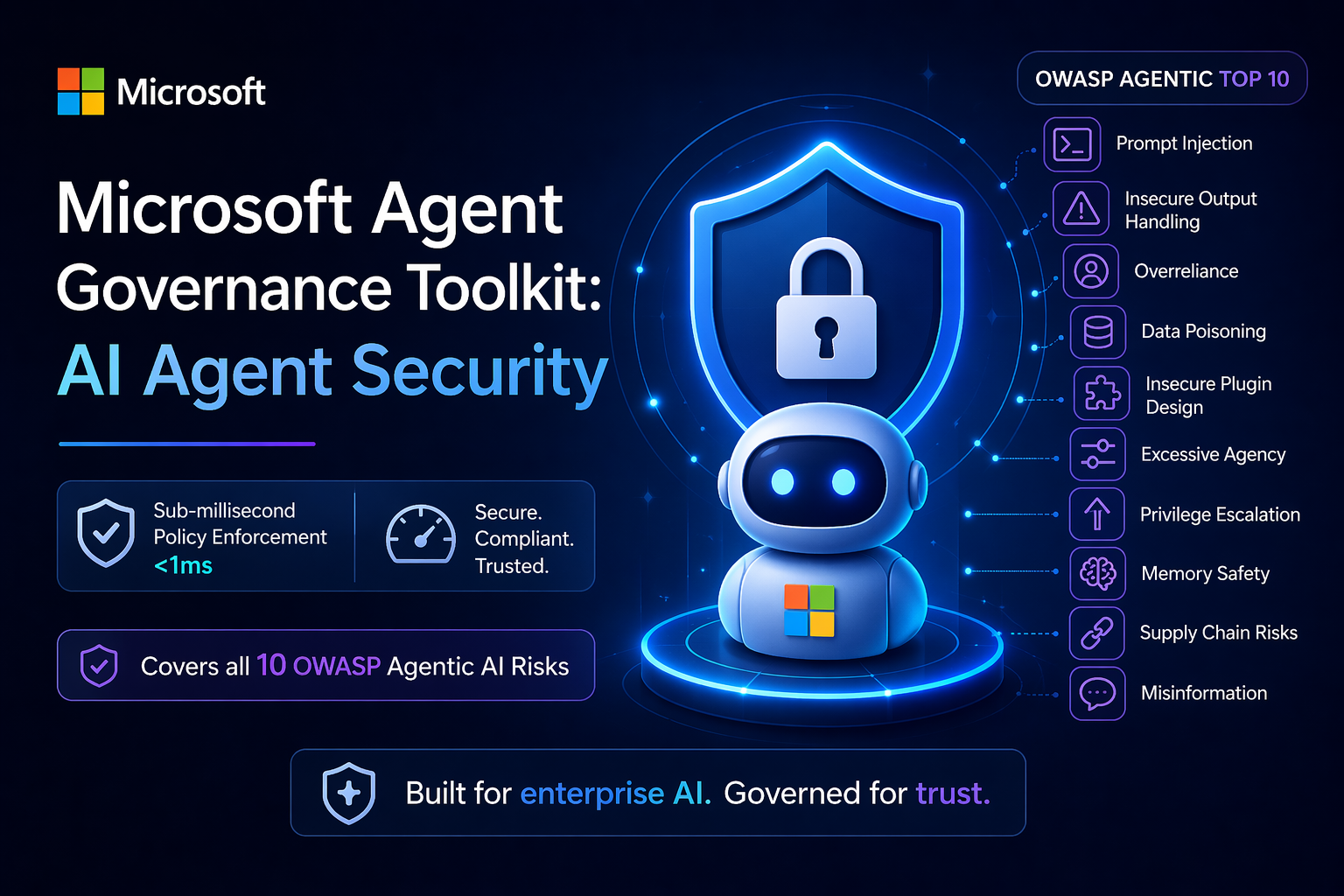 AI Tools
 Microsoft's Agent Governance Toolkit tackles all 10 OWASP agentic AI risks with sub-millisecond policy enforcement. Here's what it does and why it matters.
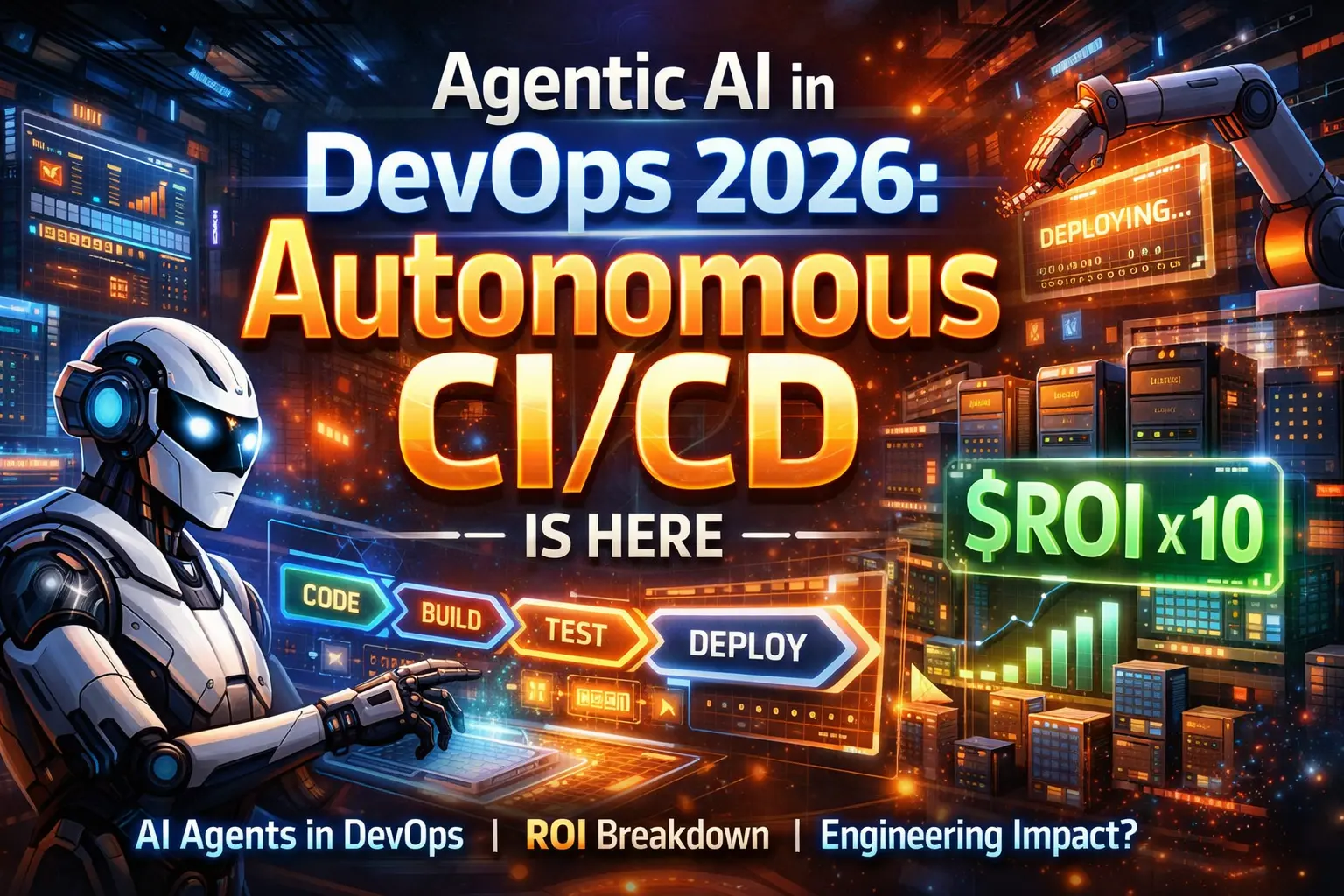 News
News AI agents are taking over DevOps pipelines in 2026. Explore frameworks, deployment ROI, and what this means for engineering teams managing autonomous CI/CD.
 AI Tools
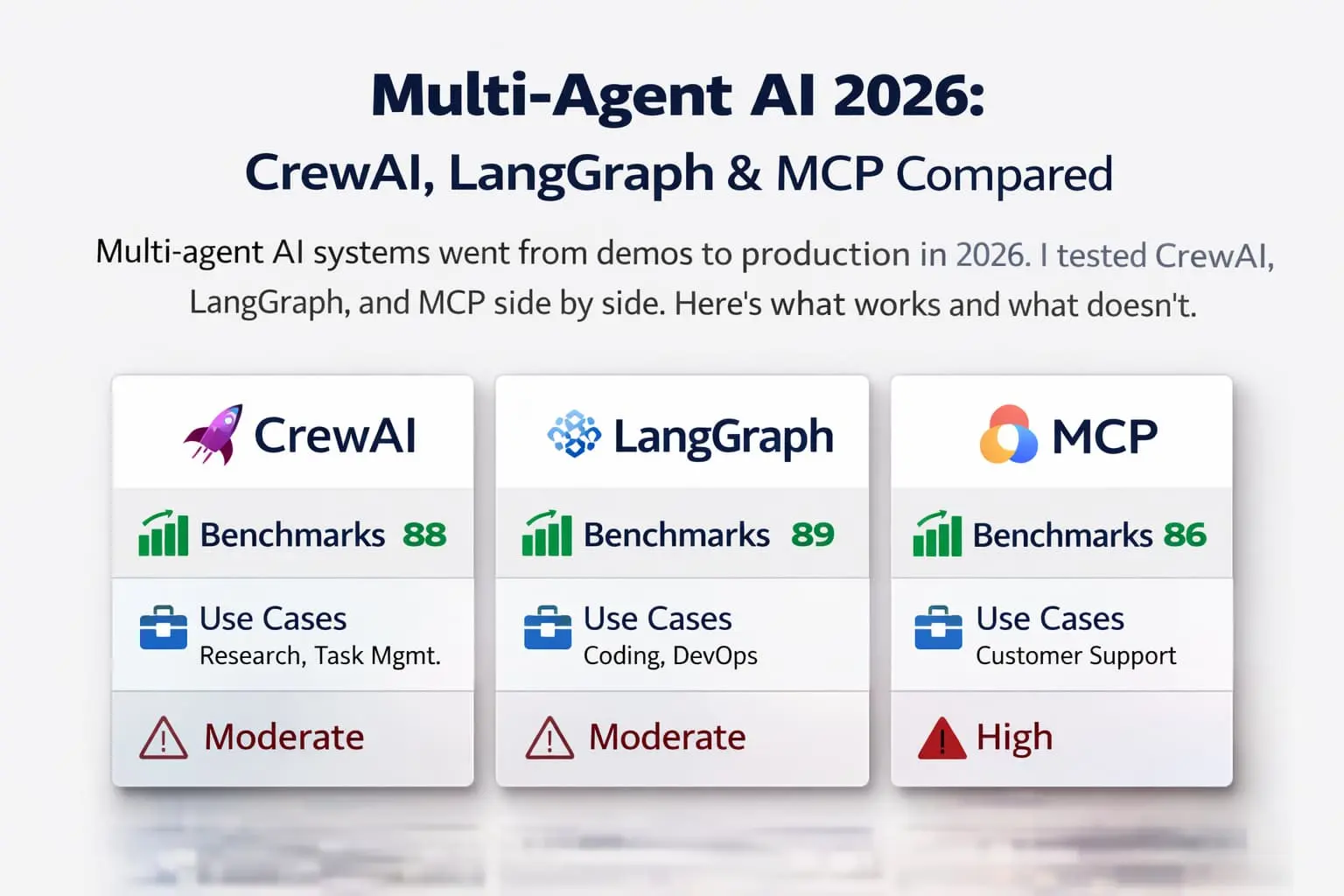
 CrewAI vs LangGraph vs MCP in 2026 for building multi-agent systems: which framework to pick, what changed in MCP, and the tradeoffs that decide it.
 AI Tools
 AI coding agents moved beyond autocomplete in 2026. GPT-5.4 ships native computer use, Claude Code beats Copilot, and Codex scans commits autonomously.
 How-To
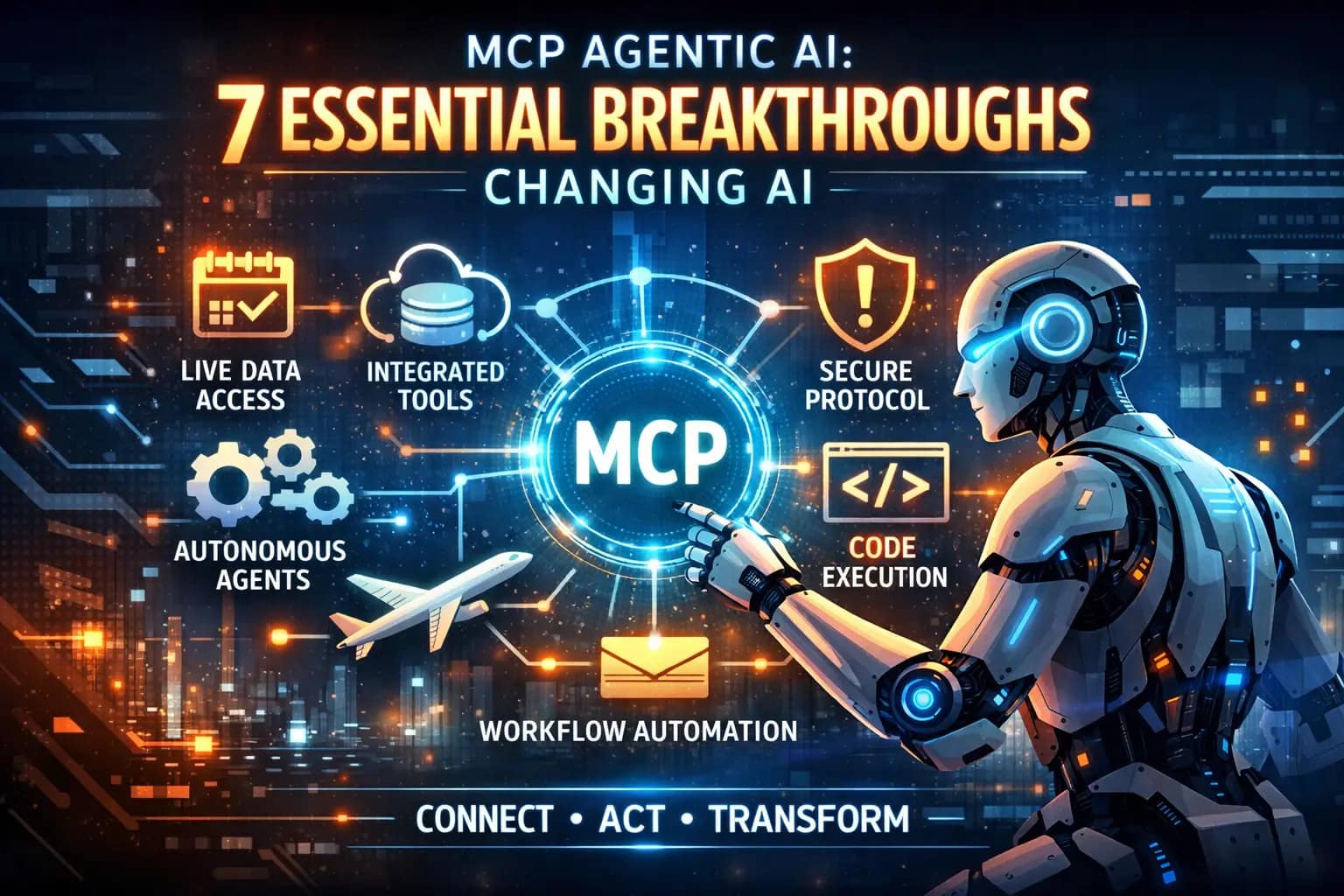
 Learn how Model Context Protocol (MCP) lets AI agents use real tools and live data. Covers MCP architecture, security risks, and practical use cases for 2026.
 AI Tools
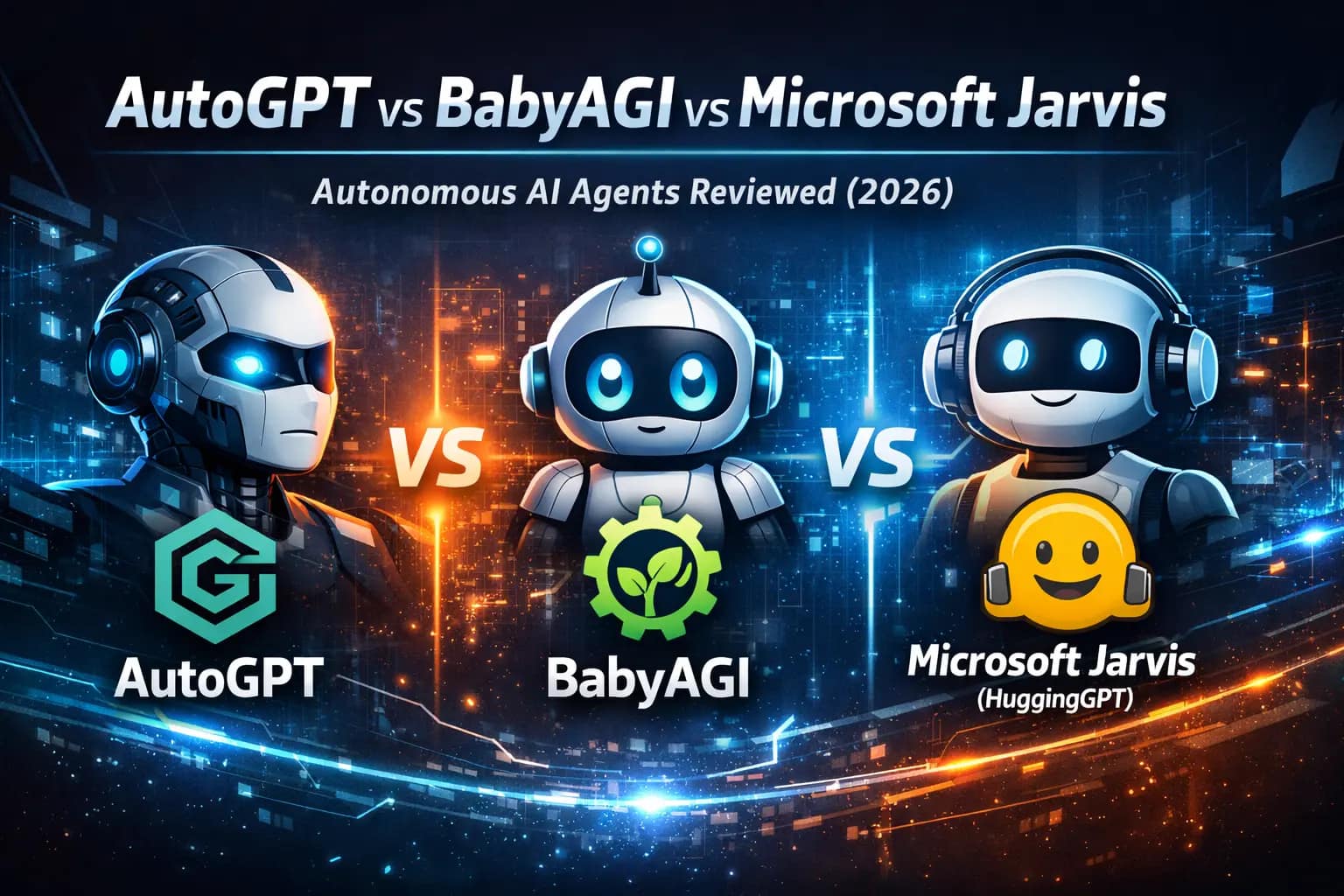
 Compare AutoGPT, BabyAGI, and Microsoft Jarvis (HuggingGPT) in 2026. See how each autonomous AI agent works, their strengths, and which fits your use case.
 News
News How agentic AI is deployed in 2026 across enterprises: real-world use cases, the key risks teams hit, and what comes next for autonomous AI systems.
 News
News Agentic AI is replacing passive generative models with systems that plan, act, and adapt. Discover why 2026 marks the turning point for autonomous AI agents.